Profile UI Elements Kit: A Practical Resource for Modern Interface Design
In the fast-paced world of digital product development, the difference between a user staying on an app or deleting it often comes down to the clarity and appeal of the interface. Designers and developers are constantly searching for resources that can accelerate their workflow without sacrificing quality. This is where a comprehensive Profile UI Elements Kit becomes an invaluable asset. Rather than starting from a blank canvas every time, these kits offer a curated collection of pre-designed components specifically tailored for user profiles, dashboards, and home pages. Whether you are building a social networking platform, a fitness tracker, or a corporate intranet, having access to isolated vector icons, bar charts, and dashboard templates can significantly streamline the creation process.
The core value of a Profile UI elements kit lies in its versatility and readiness. These collections are typically designed with a light theme interface, which remains the standard for readability and professional aesthetics in many industries. When you download such a kit, you aren't just getting static images; you are acquiring a modular system. The inclusion of formats like EPS, JPG, PNG, SVG, and AI ensures that whether you are a graphic designer needing editable vectors in Adobe Illustrator or a frontend developer looking for scalable SVGs to drop directly into code, the files are ready to work with. This flexibility removes the friction often associated with asset handoffs between design and development teams.
Real-World Applications Across Industries
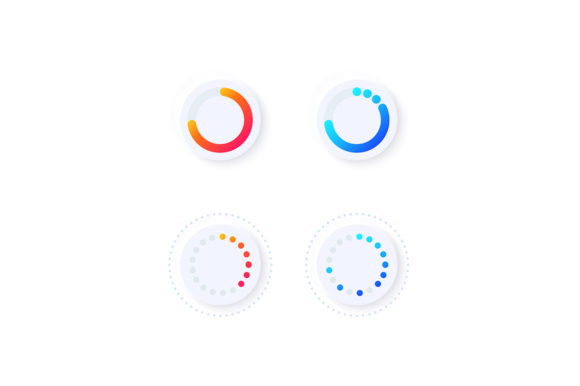
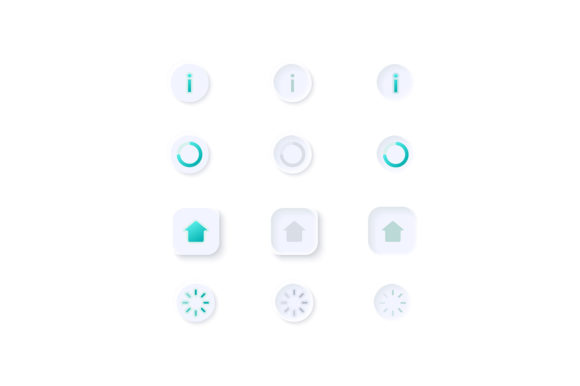
Consider the scenario of a startup launching a new health and wellness mobile application. The founding team has a brilliant concept for tracking daily water intake and sleep patterns, but their budget for custom UI design is tight. By utilizing a Profile UI Elements Kit, they can instantly populate the user's home page with polished widgets. The kit might include a circular progress bar for hydration goals or a sleek line graph for sleep data. Instead of spending weeks designing these micro-interactions, the team can focus on the backend logic and user testing. The light theme interface provided in the kit ensures the app feels clean and inviting, encouraging users to engage with their health data daily.
In the corporate sector, the utility shifts slightly but remains equally critical. Imagine a project management tool used by remote teams. Employees need a clear dashboard to view their tasks, performance metrics, and team updates. A well-structured dashboard template from a UI kit can serve as the foundation for this internal tool. The isolated vector icons included in the ZIP file allow designers to quickly swap out generic symbols for industry-specific ones, maintaining brand consistency while leveraging the robust layout of the template. This approach is particularly useful for agencies that manage multiple client projects; they can maintain a high standard of design across different products while drastically reducing the time spent on repetitive UI tasks.
E-commerce platforms also benefit immensely from these resources. A user's profile page in a shopping app is not just about displaying a name and email; it is a hub for order history, saved items, loyalty points, and personalized recommendations. A Profile UI Elements Kit often contains specialized widgets for these exact purposes. For instance, a "recent orders" card with status indicators or a "wishlist" grid layout can be adapted directly from the kit. The availability of PNG and JPG formats allows marketing teams to use these visuals in presentations or pitch decks before the final code is even written, facilitating better communication with stakeholders.
Navigating the File Formats and Integration
One of the most practical aspects of downloading a comprehensive UI kit is the variety of file formats included. Each format serves a specific purpose in the design-to-development pipeline. The AI and EPS files are the playgrounds for designers. They allow for infinite scalability and editing. If a client decides that the primary color of the dashboard needs to shift from blue to teal, or if the border radius of the user card needs to be more rounded, these vector files make such changes trivial. This is crucial for maintaining a cohesive design language throughout the application.
On the other hand, the SVG files are the bridge to the final product. For web and mobile applications, SVGs are preferred because they remain crisp on any screen resolution, from a small smartphone to a large desktop monitor. Developers appreciate receiving SVGs because they can style them with CSS, animate them, and ensure they load quickly without bloating the application size. The presence of PNG and JPG files in the kit is also a thoughtful addition for non-technical users or for specific use cases where raster images are required, such as social media previews or email newsletters promoting the new app features.
Strategic Considerations Before Implementation
While the benefits of using a Profile UI Elements Kit are clear, there are important considerations to keep in mind before integrating one into your project. The most significant factor is customization. While these kits provide an excellent starting point, relying on them too heavily without modification can lead to a generic look. Many popular apps may end up using similar assets, so it is essential to tweak colors, typography, and spacing to align with your unique brand identity. The light theme interface is a great baseline, but ensure it offers enough contrast and accessibility features for your specific audience, especially if your users include older adults or those with visual impairments.
Another consideration is the scope of the kit relative to your project needs. Some kits are hyper-focused on social media profiles, while others are geared towards analytics dashboards. Reviewing the contents of the ZIP file beforehand is vital. Does it include the specific chart types you need? Are the icons relevant to your industry? For example, a kit designed for a financial app might have excellent graph widgets but lack the playful icons needed for a gaming community profile. Understanding these nuances helps in selecting the right resource that minimizes the need for creating additional assets from scratch.
Empowering Different Roles in the Workflow
The impact of a high-quality UI kit extends beyond just the visual designers. For product managers, these kits offer a tangible way to visualize features during the planning phase. They can assemble mockups using the provided bar and dashboard templates to demonstrate functionality to investors or clients, making abstract ideas concrete. For freelancers and solo entrepreneurs, these kits act as a force multiplier. A single developer wearing both the coding and design hats can produce a professional-grade interface that rivals those built by large teams, simply by leveraging the pre-made components found in a Profile UI Elements Kit.
Furthermore, educational institutions and bootcamps teaching UX/UI design find these kits to be excellent learning tools. Students can deconstruct the layers in the AI or EPS files to understand how professional interfaces are built, studying the grouping of elements, the use of grids, and the hierarchy of information. This hands-on experience with industry-standard assets prepares them for real-world scenarios where speed and efficiency are just as important as creativity.
Ultimately, the decision to use a Profile UI elements kit is a strategic move towards efficiency and consistency. It acknowledges that while innovation is key, reinventing the wheel for every common interface element is an unnecessary drain on resources. By providing a solid foundation of isolated vector icons, responsive widgets, and adaptable templates, these kits empower creators to focus on what truly matters: solving user problems and delivering exceptional experiences. Whether you are refining an existing mobile application or launching a brand-new web service, the right set of UI elements can be the catalyst that transforms a good idea into a great product.