Mastering Location-Based Design with the GPS UI Elements Kit
In the rapidly evolving landscape of mobile application development, location-based services have transitioned from a novelty to a fundamental necessity. Whether you are building a ride-sharing platform, a delivery tracking system, or a travel guide, the user's interaction with geographical data defines the success of your product. However, designing these interfaces from scratch presents significant challenges. Developers and designers often struggle with consistency, visual clarity, and the time-consuming process of creating scalable vector assets. This is where a comprehensive GPS UI Elements Kit becomes an indispensable resource, offering a streamlined path from concept to deployment.
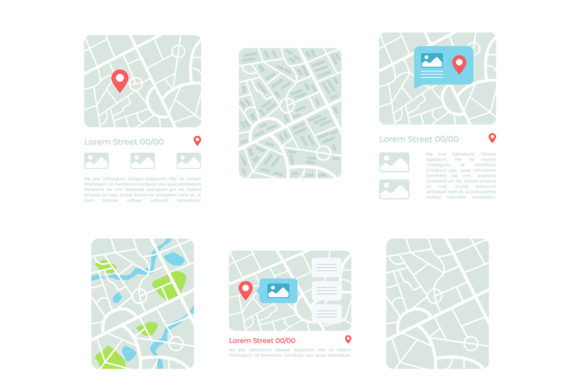
The primary goal for any adult professional in the tech industry is efficiency without compromising quality. When tasked with creating a map interface, the immediate need is not just a static image, but a dynamic system of elements that communicate position, direction, and distance intuitively. A robust GPS UI elements kit addresses this by providing a curated collection of pre-designed components. These kits typically include high-fidelity maps isolated as vector icons, precise location pins, navigation bars, and complete dashboard templates. By utilizing such a collection, teams can bypass the tedious initial design phase and focus on the logic and user experience that truly matter.
Overcoming Design Bottlenecks in Geographical Interfaces
One of the most common hurdles in developing location-aware applications is maintaining visual consistency across different screen sizes and resolutions. A pin that looks perfect on a desktop monitor may appear pixelated or cluttered on a mobile device. Furthermore, ensuring that the color palette aligns with brand guidelines while remaining legible against complex map backgrounds requires meticulous attention to detail. Without a standardized set of assets, designers risk creating a fragmented interface where buttons, icons, and indicators do not speak the same visual language.
A well-structured GPS UI Elements Kit solves these problems by offering a unified design system. These kits are engineered with scalability in mind. Because they often include formats like EPS, AI, and SVG, every element remains crisp regardless of how much it is scaled. This vector-based approach ensures that your geographical positions with pins look professional on everything from a small smartwatch screen to a large tablet display. The inclusion of a light theme interface is particularly valuable, as it provides a clean, modern aesthetic that reduces eye strain and enhances readability—a critical factor for users navigating while on the move.
Practical Applications and Real-World Outcomes
The utility of a GPS UI Elements Kit extends far beyond simple aesthetics; it directly impacts user retention and operational efficiency. Consider a logistics company needing to visualize their fleet in real-time. Using a dashboard template from a UI kit, they can rapidly prototype a control center that displays driver locations, route optimization bars, and status indicators. The pre-built nature of these elements allows developers to integrate functional widgets quickly, reducing the time-to-market for critical updates.
Similarly, in the consumer sector, travel and tourism apps benefit immensely from these resources. Imagine a city guide application where users need to find nearby attractions. A designer can pull ready-made location pins and category icons from the kit, arrange them on an isolated vector map background, and create an engaging user journey in hours rather than days. The result is an interface that feels polished and trustworthy, encouraging users to explore further. The availability of multiple file formats, including JPG and PNG for quick previews or raster-based needs alongside the vector files, ensures compatibility with various development environments and asset pipelines.
Tailoring the Approach for Different Users
Different professionals will approach the implementation of a GPS UI Elements Kit based on their specific roles and objectives. For a startup founder with limited technical resources, the kit serves as a cost-effective solution to achieve a premium look without hiring a dedicated design team. They can utilize the drag-and-drop capabilities of modern design tools with the provided SVG and AI files to mock up their MVP (Minimum Viable Product) swiftly.
On the other hand, senior UX designers in established enterprises may use the kit as a foundation to build upon. They might take the standard bar and dashboard template and customize the color variables or typography to strictly adhere to corporate identity standards. For developers, the clear organization of layers within the AI or EPS files facilitates easier extraction of assets for code implementation. This flexibility ensures that whether you are a solo entrepreneur or part of a large agency, the kit adapts to your workflow rather than forcing you to adapt to it.
Key Considerations for Implementation
While the benefits are clear, successful integration requires thoughtful consideration. When selecting a GPS UI Elements Kit, prioritize collections that offer a comprehensive range of states. For instance, does the kit include active, inactive, and hover states for navigation buttons? Are there variations of location pins for different categories, such as restaurants, hospitals, or fuel stations? A kit that offers only basic elements may limit your ability to convey complex information hierarchies.
Another crucial factor is the coherence of the light theme interface. Ensure that the contrast ratios between the map background, the route lines, and the overlay widgets meet accessibility standards. Users with visual impairments must be able to distinguish between a selected pin and the surrounding geography. High-quality kits will have already tested these combinations, providing a safe starting point for accessible design.
Furthermore, consider the technical weight of the assets. While vector files like SVG are generally lightweight, complex illustrations can sometimes bloat application size if not optimized. It is advisable to review the structure of the EPS or AI files to ensure unnecessary anchor points or hidden layers are removed before final export. This practice ensures that your mobile application remains fast and responsive, a key metric for user satisfaction.
Moving Forward with Confidence
The demand for intuitive, location-based interfaces shows no sign of slowing down. As users become more accustomed to seamless digital navigation, their expectations for app performance and design quality continue to rise. Relying on ad-hoc design methods or outdated assets is no longer a viable strategy for competitive applications. By leveraging a specialized GPS UI Elements Kit, professionals can bridge the gap between ambitious ideas and practical execution.
Ultimately, the value of these kits lies in their ability to liberate creativity. By handling the heavy lifting of asset creation, they allow designers and developers to focus on solving real user problems. Whether you are refining a delivery algorithm or crafting a new way for people to explore their cities, having a reliable library of geographical positions with pins, maps, and dashboard components at your disposal is a strategic advantage. Embrace these tools to streamline your workflow, enhance your product's visual appeal, and deliver solutions that truly resonate with your audience.