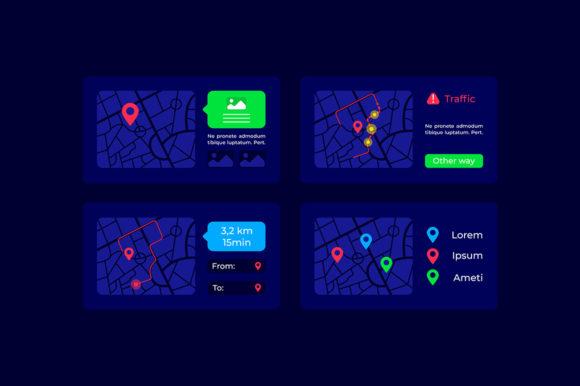
Building Better Navigation Experiences with the Routes on Map UI Elements Kit
Imagine you are late for a client meeting, your phone battery is at 15%, and the navigation app you are using displays a cluttered, confusing map that makes it impossible to see the next turn. In that moment of stress, good design isn't just an aesthetic preference; it is a functional necessity. This is exactly where the Routes on Map UI Elements Kit becomes an invaluable asset for anyone building digital experiences involving location, travel, or logistics. Whether you are a freelance developer crafting a delivery app, a startup founder launching a ride-sharing service, or a student working on a geography project, having access to high-quality, pre-designed interface elements can save hours of frustration and ensure your users find their way without confusion.
At its core, this kit is a comprehensive collection of vector icons, dashboard templates, and widget collections specifically designed for mobile applications with a modern dark theme interface. Unlike generic icon packs that offer isolated symbols with no context, this resource provides cohesive components that work together seamlessly. The inclusion of transportation information graphics, geo-position markers, and route visualization bars means you aren't just decorating a screen; you are constructing a clear path for your user to follow. The files come in versatile formats like EPS, JPG, PNG, SVG, and AI within a single ZIP file, ensuring compatibility whether you are working in Adobe Illustrator, Figma, Sketch, or directly integrating assets into code.
Real-World Applications for Diverse Creators
The utility of the Routes on map UI elements kit extends far beyond simple map labeling. Its true value shines when applied to specific, real-world scenarios where clarity drives success. Consider a small business owner launching a local food delivery service. In the competitive landscape of food tech, the difference between a customer re-ordering and deleting the app often comes down to the tracking experience. By utilizing the dashboard templates found in this kit, a designer can quickly assemble a driver tracking screen that shows the route, estimated arrival time, and current status in a visually appealing dark mode that saves battery life on the driver's device. The pre-made widgets eliminate the need to draw every street marker or progress bar from scratch, allowing the team to focus on backend logistics rather than pixel-pushing.
For marketers and bloggers covering travel or urban lifestyle topics, these elements offer a way to create engaging visual content without needing advanced illustration skills. Imagine writing a guide about the best road trip routes across the country. Instead of embedding a static, low-resolution screenshot from a generic mapping service, you can use the vector assets to create custom, branded maps that highlight specific stops, scenic detours, and fuel stations. Because the files are vector-based (SVG, AI, EPS), they scale perfectly for high-retina displays on blogs and social media posts, maintaining crisp edges regardless of size. This level of polish elevates the perceived authority of the content, making the advice feel more curated and trustworthy.
Enhancing User Experience in Logistics and Fleet Management
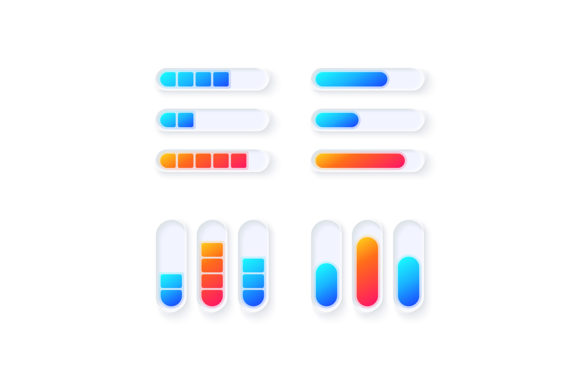
In the professional sphere, particularly for entrepreneurs managing fleets or logistics operations, data visualization is critical. The geo position isolated vector icon and bar charts included in the kit are not merely decorative; they serve as essential tools for communicating complex data simply. A fleet manager developing an internal tool for drivers needs to see traffic density, route efficiency, and stop durations at a glance. The dark theme interface provided in this collection is particularly effective here, as many logistics professionals operate in varying light conditions, from bright warehouses to dimly lit cab interiors. A high-contrast dark UI reduces eye strain during long shifts, while the standardized iconography ensures that critical alerts are recognized instantly, reducing the cognitive load on the operator.
Educators and trainers can also leverage these resources to create interactive learning materials. Teaching urban planning, geography, or even game design often requires visual aids that explain how routes are calculated or how traffic flows through a city. Rather than drawing rough sketches on a whiteboard, an instructor can use the Routes on Map UI elements kit to generate professional-looking diagrams for presentations or handouts. The variety of transportation icons—ranging from cars and trucks to bikes and pedestrians—allows for detailed scenario building. Students can analyze these visuals to understand capacity planning or emergency evacuation routes, bridging the gap between abstract theory and tangible application.
Why the Dark Theme and Vector Format Matter
You might wonder why the focus on a dark theme interface is so prominent in this kit. In modern mobile design, dark mode has transitioned from a trendy novelty to a standard expectation. Users appreciate it for its sleek look, but more importantly, for its practical benefits regarding battery conservation on OLED screens and reduced eye fatigue in low-light environments. When designing a navigation app that people might use at night or indoors, starting with a dark base template accelerates the design process significantly. It ensures that contrast ratios are correct and that colored route lines pop against the background, guiding the eye naturally along the path.
Furthermore, the file formats included in the ZIP archive address the technical needs of different workflows. Web designers who need lightweight assets for fast loading times will gravitate toward the SVG files, which remain sharp on any device resolution. Print publishers or those creating high-fidelity mockups for client presentations will prefer the AI and EPS files for their editability in professional software. The presence of PNG and JPG options ensures that even non-designers, such as project managers or content creators, can drop these images into documents or slides immediately without needing specialized software. This versatility makes the kit a "swiss army knife" for digital production.
Considerations Before You Download and Deploy
Before integrating the Routes on Map UI Elements Kit into your project, there are a few practical factors to consider to ensure it aligns with your goals. First, evaluate your brand identity. While the dark theme is versatile, does it match your existing color palette? The beauty of vector files is that they are easily customizable; you can shift hues, adjust line weights, and modify shapes to fit your specific branding guidelines. However, if your product strictly requires a light-mode-only interface, you will need to invest time in inverting colors and adjusting shadows to maintain readability.
Secondly, think about the scale of your project. If you are building a simple prototype or a minimum viable product (MVP), this kit offers a massive head start, potentially cutting design time by days. However, for large-scale enterprise applications, you may need to combine these elements with custom components to handle unique data sets or specific accessibility requirements. Always test the legibility of the icons on actual devices, not just on your design monitor. A geo-position marker that looks clear on a 27-inch screen might become indistinguishable on a smaller smartphone if the stroke width is too thin.
Finally, consider the narrative you are telling with your maps. A map is never just a map; it is a story of movement and destination. Use the transportation information graphics to highlight what matters most to your user. Are you emphasizing speed? Safety? Scenic beauty? The elements in this kit allow you to curate that story. By selecting the right combination of route lines, markers, and dashboard widgets, you guide the user's attention to the information that helps them make better decisions.
In a world where digital interfaces mediate much of our physical movement, the quality of those interfaces matters profoundly. The Routes on map UI elements kit provides the building blocks to create experiences that are not only functional but also intuitive and engaging. Whether you are optimizing a delivery route, teaching a class, or launching the next big travel app, these tools empower you to focus on solving real problems rather than wrestling with design basics. By leveraging these high-quality, versatile assets, you can deliver a smoother, more reliable journey for your users, one pixel at a time.